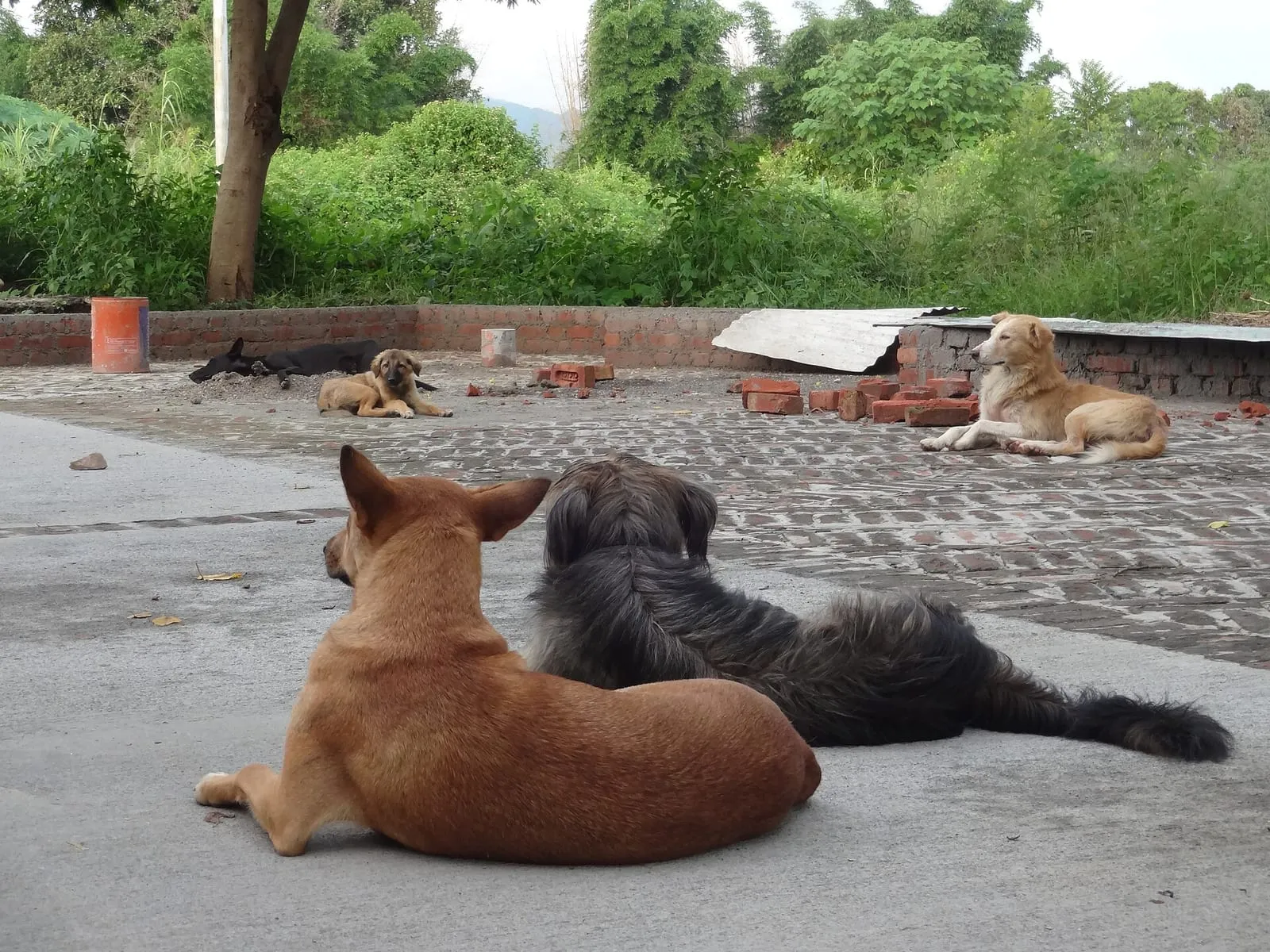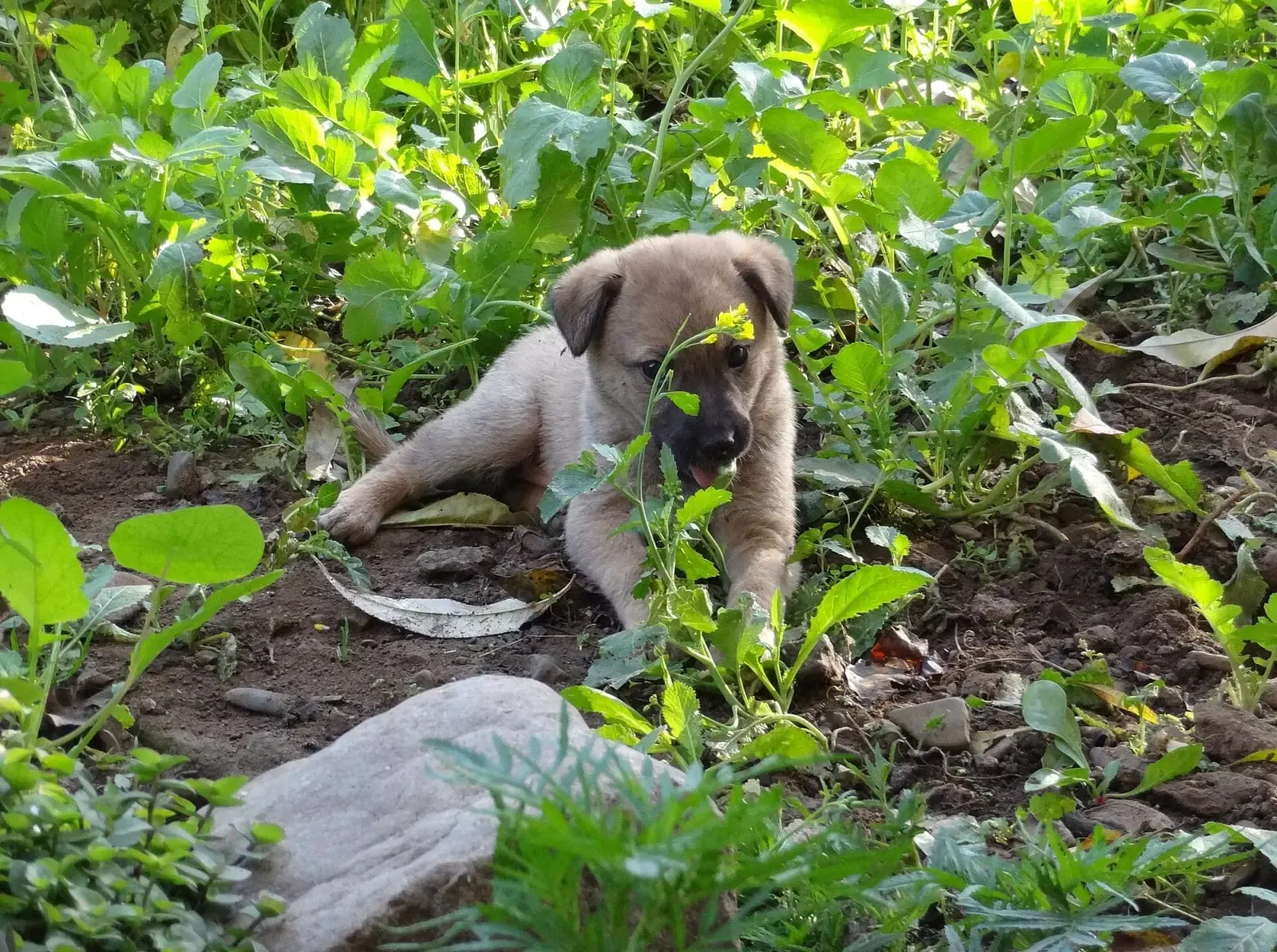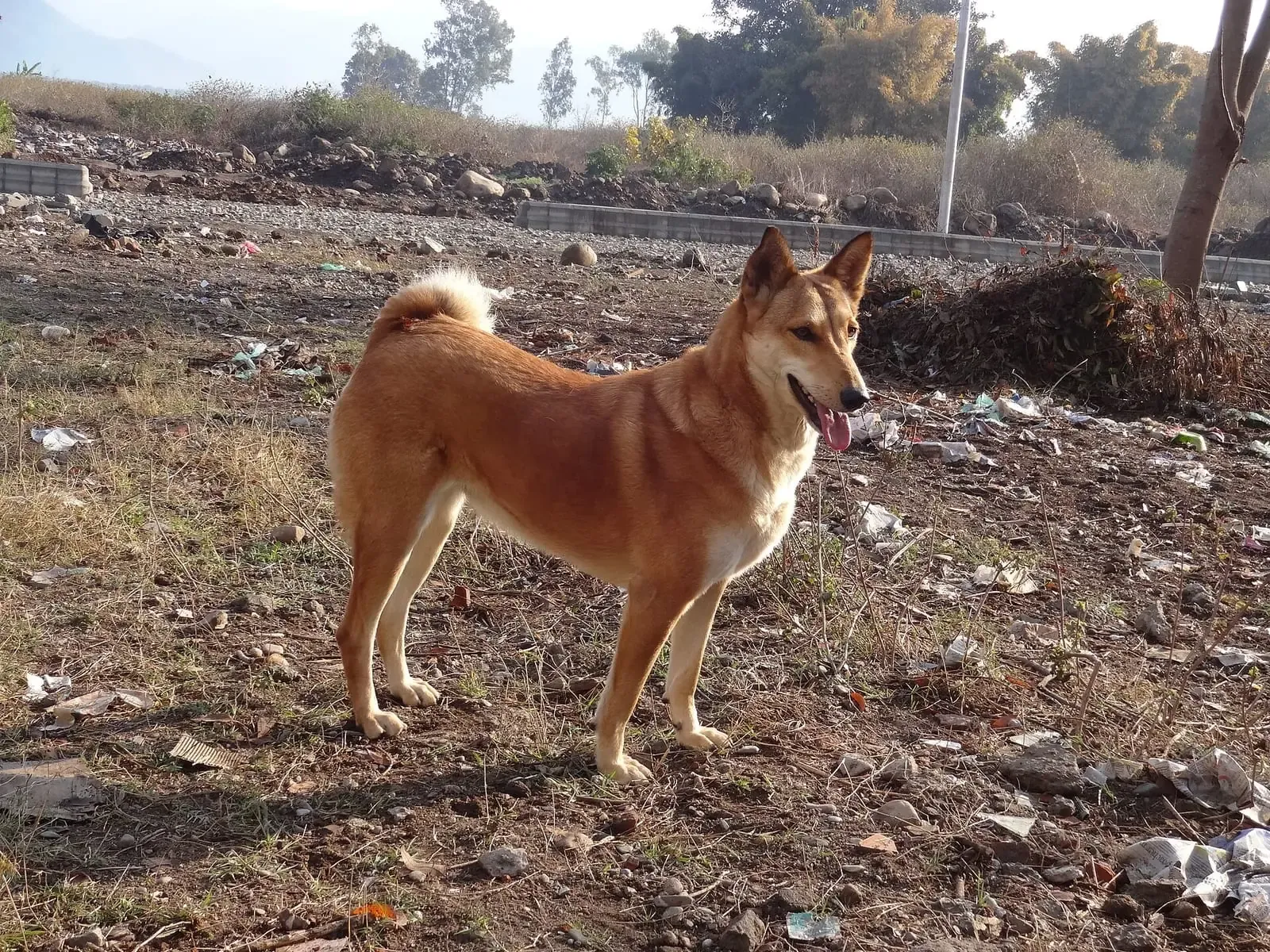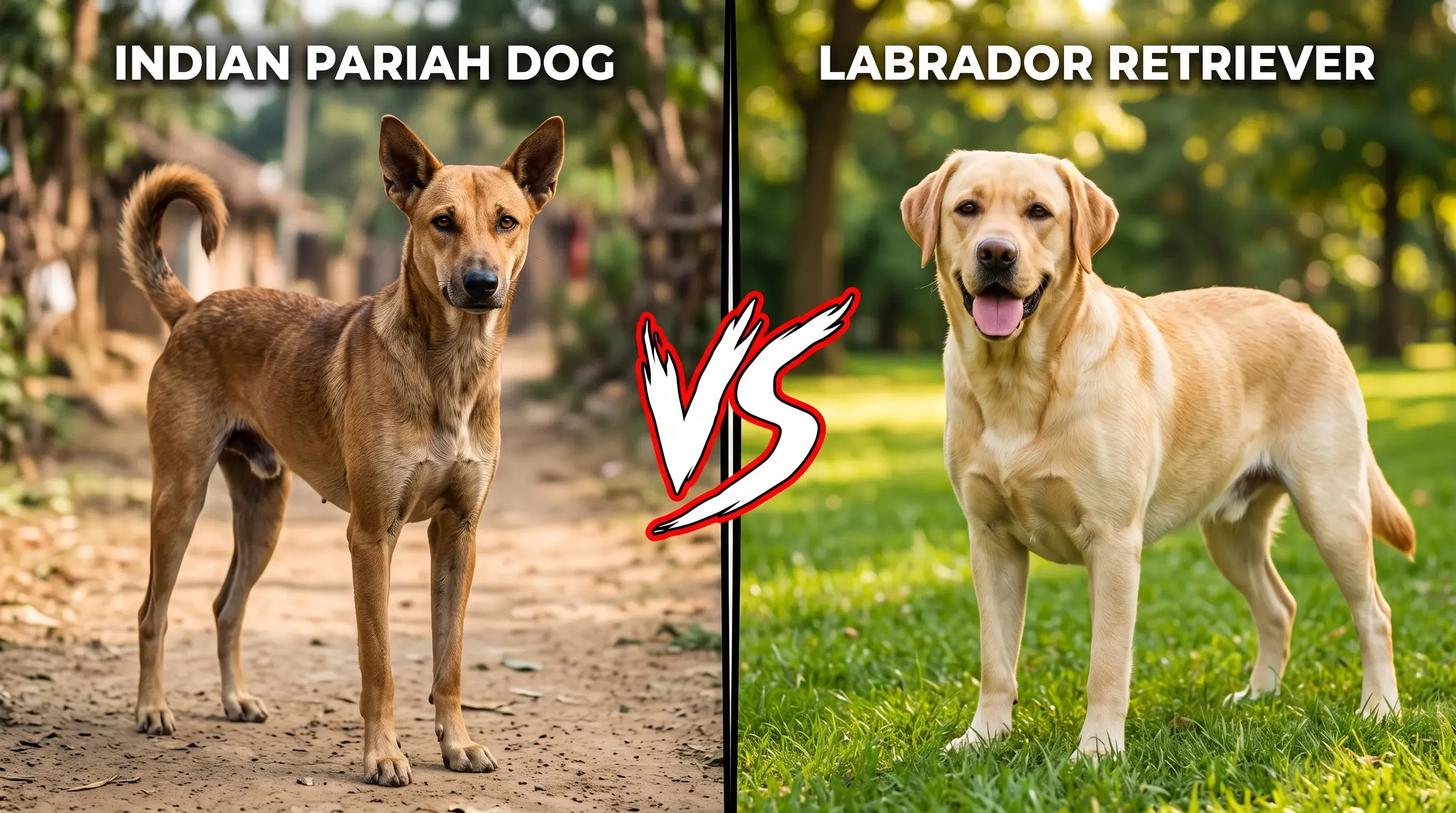
Walk into any pet shop in an Indian city and ask what dog to get, and someone will likely point you to a Labrador first. It’s the country’s most popular pedigree by a wide margin. Meanwhile the dog built for this climate is asleep on the pavement outside.
Both are good dogs. What matters is which fits your home better, and that comes down to heat tolerance, vet bills, and how much exercise you’ll actually give a dog in August.
Two very different origins
The Labrador descends from the St. John’s water dog, a Newfoundland working breed that hauled fishing nets in the North Atlantic. English aristocrats imported the type in the 1800s and crossed it with their own hunting dogs; the Kennel Club in London recognised the result as the Labrador Retriever in 1903, according to AKC’s breed history. Every Labrador in India carries that cold-water history in its coat and build.
The INDog has no such paper trail, because nobody wrote one. It’s a landrace: no founder, no club, just thousands of years of Indian streets deciding which dogs survived to have puppies. The ones that handled heat, ate what was available, and read people well did. The Kennel Club of India only published a formal breed standard in 2015, describing a type largely unchanged for millennia, per Wikipedia.
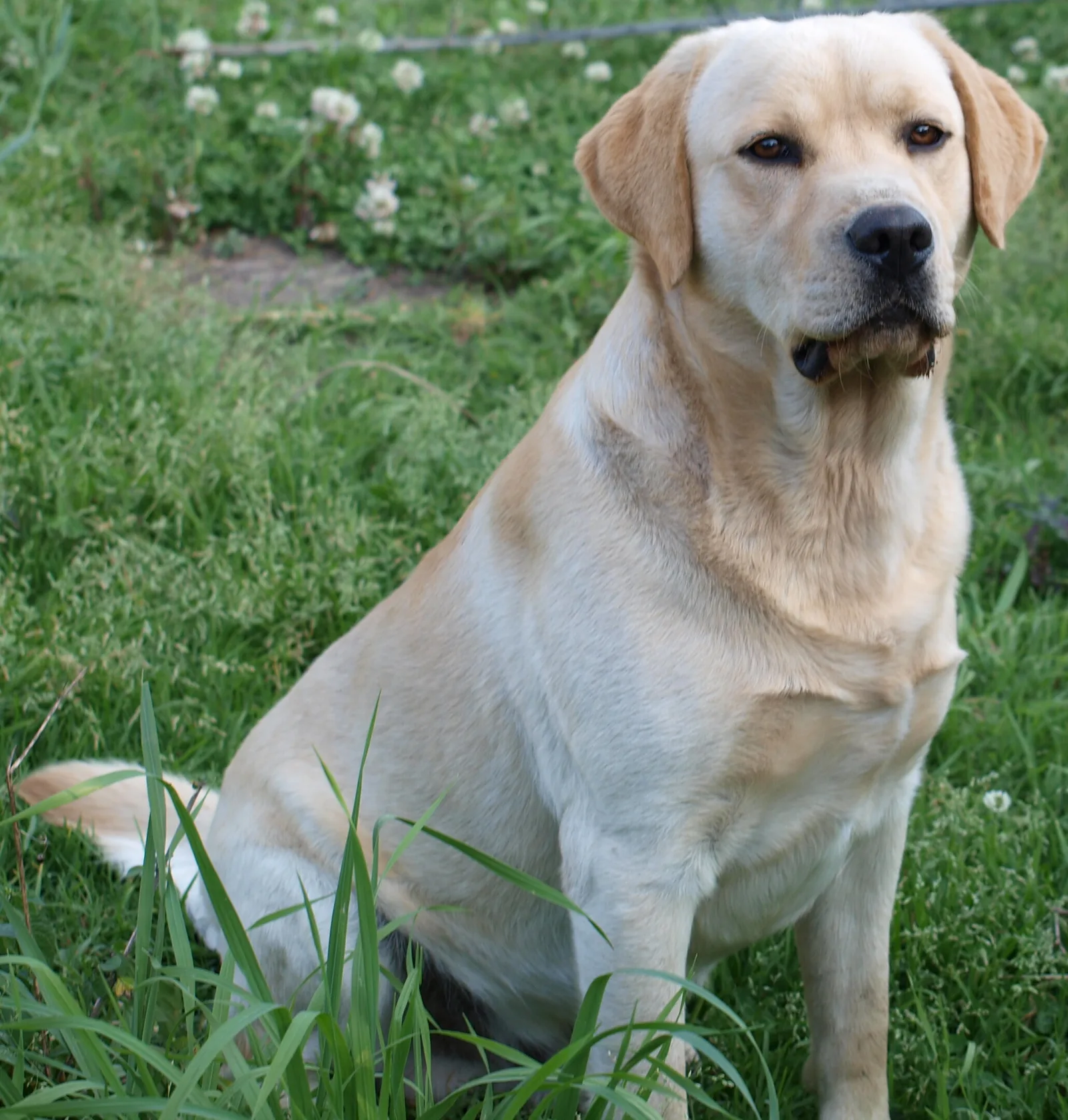
Which one handles Indian heat better
This isn’t close. The INDog evolved in this exact climate: the short coat, even the habit of resting through midday and moving at dawn and dusk, came from surviving Indian summers. A Labrador’s coat was built to insulate against North Atlantic water, and that works against it here. Plenty live long lives in Mumbai and Delhi, but they need real help: fans or AC during peak heat, supervised outdoor time, constant water. Leave one in afternoon sun the way you might a desi dog, and it’s a heatstroke risk.
Health and lifespan
Here the gap opens wider. The Orthopedic Foundation for Animals has found hip dysplasia in roughly 12% of Labradors, tied partly to a gene called NDRG3, per a genome-wide study. Obesity is worse: about 70% of Labradors are overweight, and a 2016 study found roughly one in four carries a gene mutation that drives food-seeking behaviour, per PMC. Extra weight on already dysplasia-prone joints compounds the problem.
The INDog mostly skips this. Nobody bred it for looks, so no genetic disease got dragged along for the ride. The trade-off shows in lifespan: INDogs commonly live 13 to 15 years, sometimes longer, while a Labrador’s range runs closer to 9 to 13, with anything past 15.6 counted as exceptional, per a longevity study. A Labrador can make it into its teens; it’s just working against its own genetics.
Exercise, trainability and temperament
Neither is the low-energy option. INDogs do well with roughly 60 to 90 minutes of activity a day, split across walks, and they’re fine in an apartment as long as that time gets put in. Labradors were bred to work all day retrieving game, and an under-exercised one shows it through chewing or restlessness rather than settling down.
The split is in temperament. Labradors are highly food-motivated and generally easy for a first-time owner to train. INDogs are just as intelligent, arguably more so given the problem-solving a street upbringing demands, but they’re independent thinkers who respond better to patient, respect-based training than to treats alone. They’re also more reserved with strangers, where a Labrador greets a burglar like an old friend. Neither trait is a flaw — just different jobs the two dogs were shaped for.
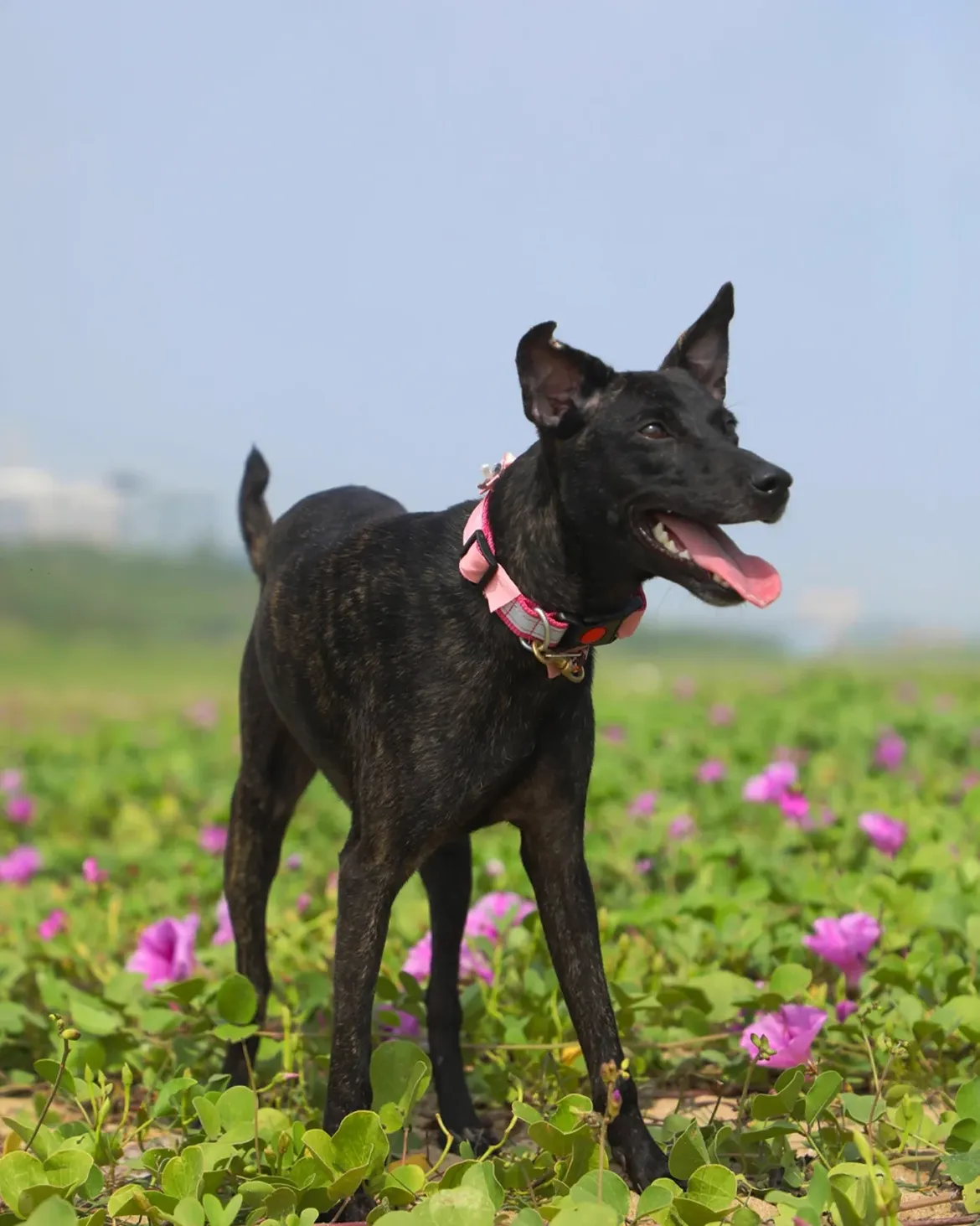
What each one costs, from puppy to old age
A Labrador puppy in India runs from about ₹15,000 for a pet-quality dog up to ₹70,000 or more for a show-quality, KCI-registered one, plus roughly ₹6,000 to ₹16,000 a month for food, vet, and grooming. That’s before anything related to hips or weight, where the real money tends to go later. In the US, a reputable breeder charges $700 to $1,500 per puppy and owners budget $100 to $200 a month, per Hepper — same pattern, different currency.
Adopting an INDog is typically free, and many rescues come already vaccinated and neutered. Monthly upkeep runs lower too: less grooming, fewer surprise vet bills. A Labrador isn’t a bad financial choice, but the INDog costs less to own over its lifespan, not just to bring home.
INDog vs Labrador: The Numbers
| INDog | Labrador Retriever | |
|---|---|---|
| Height | 46–64 cm (18–25 in) | 53–62 cm (21–24.5 in) |
| Weight | 15–30 kg (33–66 lb) | 25–36 kg (55–80 lb) |
| Coat | Short double coat, low-shedding | Short, dense double coat, heavy seasonal shedding |
| Coat colours | Fawn to reddish-brown, pied, solid black (rare) | Black, yellow, chocolate |
| Grooming | Occasional brushing, no professional grooming needed | Brushing 2–3 times a week, more during heavy shedding; bath every 4–6 weeks |
| Daily food | Cooked rice, lentils, lean meat and vegetables; digests whole foods easily | 2–3.5 cups of commercial kibble, portion-controlled to prevent overeating |
| Litter size | 6–8 puppies, once a year | 5–10 puppies |
| Typical lifespan | 13–15 years, sometimes longer | 9–13 years |
Figures for the INDog come from the Kennel Club of India’s breed standard, as published by the INDog Project and Animalia’s breed profile; Labrador figures from a Labrador breed standard summary on dummies.com, AKC’s grooming guide, and a Labrador feeding guide. The INDog’s diet numbers are drawn from GoofyTails’ nutrition guide for the breed.
The size difference is smaller than people expect. A big male INDog and a small female Labrador can weigh about the same. Grooming and diet are where it really splits: an INDog needs little more than an occasional brush and does fine on home-cooked meals, where a Labrador sheds year-round and its famous appetite makes portion control a real, ongoing job.
So which should you get
If you want a dog built for this country’s heat and healthier by default, and you’re fine with one that takes longer to trust strangers, the INDog wins on most practical measures. If you want a friendly, food-driven dog that’s easy to train and you’re happy to manage its health and heat exposure, a Labrador is still a good choice. Both make great companions. It really just comes down to what fits your home.
Common questions
Do Labradors have more health problems than INDogs?
Yes. Around 12% of Labradors have hip dysplasia and about 70% are overweight. INDogs, as an unselected landrace, carry far less inherited disease. See Health and lifespan.
Which dog lives longer?
INDogs commonly live 13 to 15 years, sometimes longer. Labradors typically live 9 to 13. See Health and lifespan.
Is it cheaper to own an INDog than a Labrador?
Yes. A Labrador puppy runs ₹15,000–₹70,000-plus in India ($700–$1,500 in the US), plus monthly upkeep. Adopting an INDog is typically free. See What each one costs.
Is a Labrador easier to train than an INDog?
For a first-time owner, usually yes. Labradors are highly food-motivated and eager to please. INDogs are just as intelligent but more independent-minded, and need patient, respect-based training rather than repetition alone. See Exercise, trainability and temperament.
Where does the INDog come from, and how is that different from the Labrador?
The INDog is a landrace shaped by thousands of years of survival on Indian streets, with no breeder or club behind it. The Labrador was deliberately bred in Newfoundland and England from working water dogs, and the Kennel Club recognised it as a breed in 1903. See Two very different origins.
Sources
- Indian pariah dog — Wikipedia
- Breed Standard of the Indian Native Dog — INDog Project
- Pariah Dogs vs Labrador Retrievers — Pet India Online
- Hip Score Genetics in Labrador Retrievers — PMC
- Obesity Risk Genetics in Labrador Retrievers — PMC
- Longevity in Labrador Retrievers — PMC
- Labrador Retriever History — AKC
- Labrador Price in India — BARF India
- Labrador Retriever Cost Guide (US) — Hepper
- Labrador Retrievers: The AKC Breed Standard (summary) — dummies.com
- Labrador Retriever Feeding Chart — Canine Bible
- Best Food for Indie Dogs — GoofyTails
- Indian Pariah Dog Breed Profile — Animalia
- How to Groom a Labrador Retriever — AKC